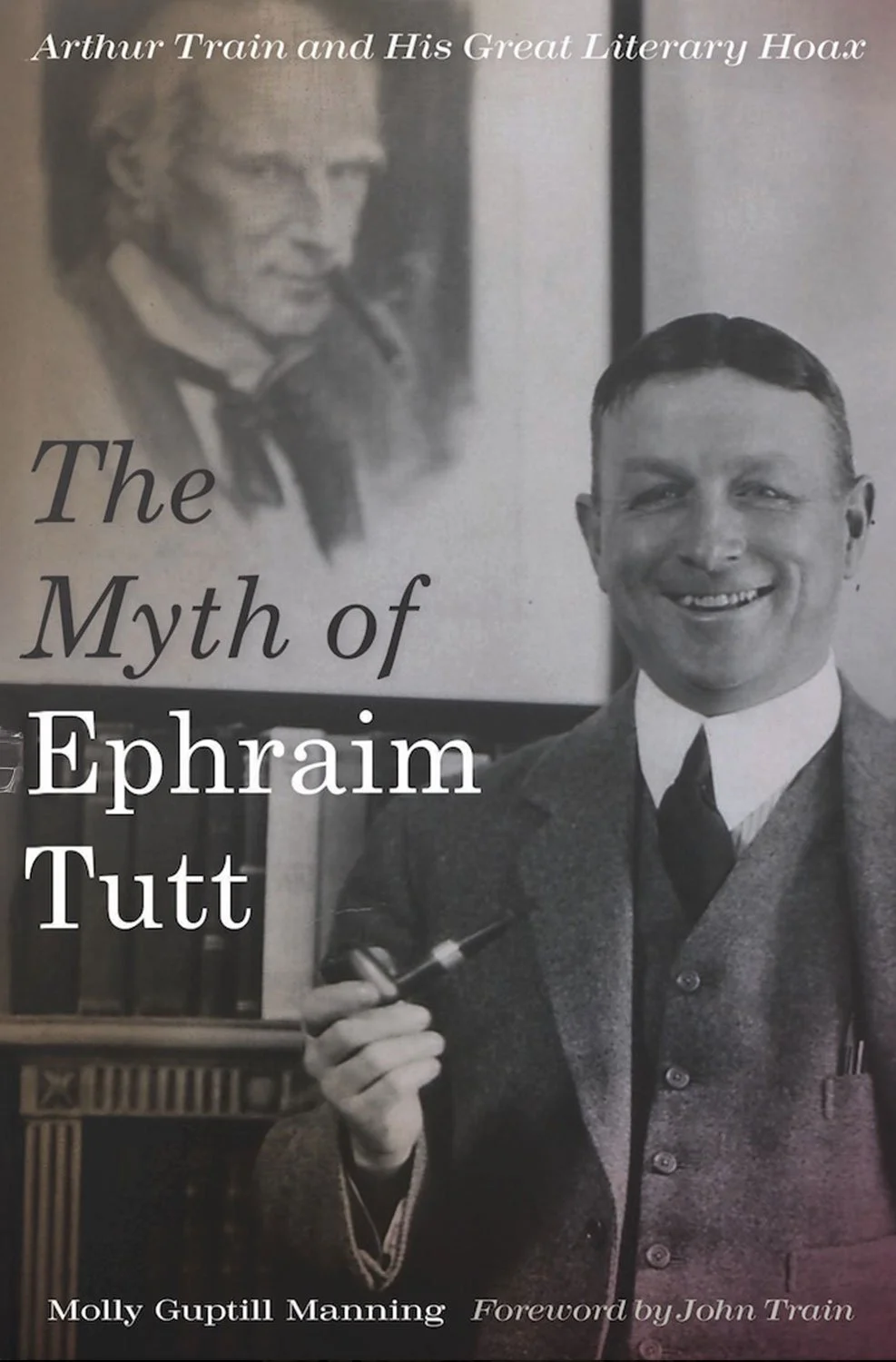
The Myth of Ephraim Tutt
Arthur Train and His Great Literary Hoax
The Myth of Ephraim Tutt explores the true and previously untold story behind one of the most elaborate literary hoaxes in American history.
Arthur Train was a best-selling author of legal fiction in the early twentieth century. His greatest literary creation was the character Ephraim Tutt, a public-spirited attorney who was guided by compassion and a strong moral compass. Over twenty years, Ephraim Tutt attracted a loyal following among general readers and lawyers alike—in fact, Tutt’s fictitious cases were so well-known that attorneys, judges, and law faculty cited them in courtrooms and legal texts.
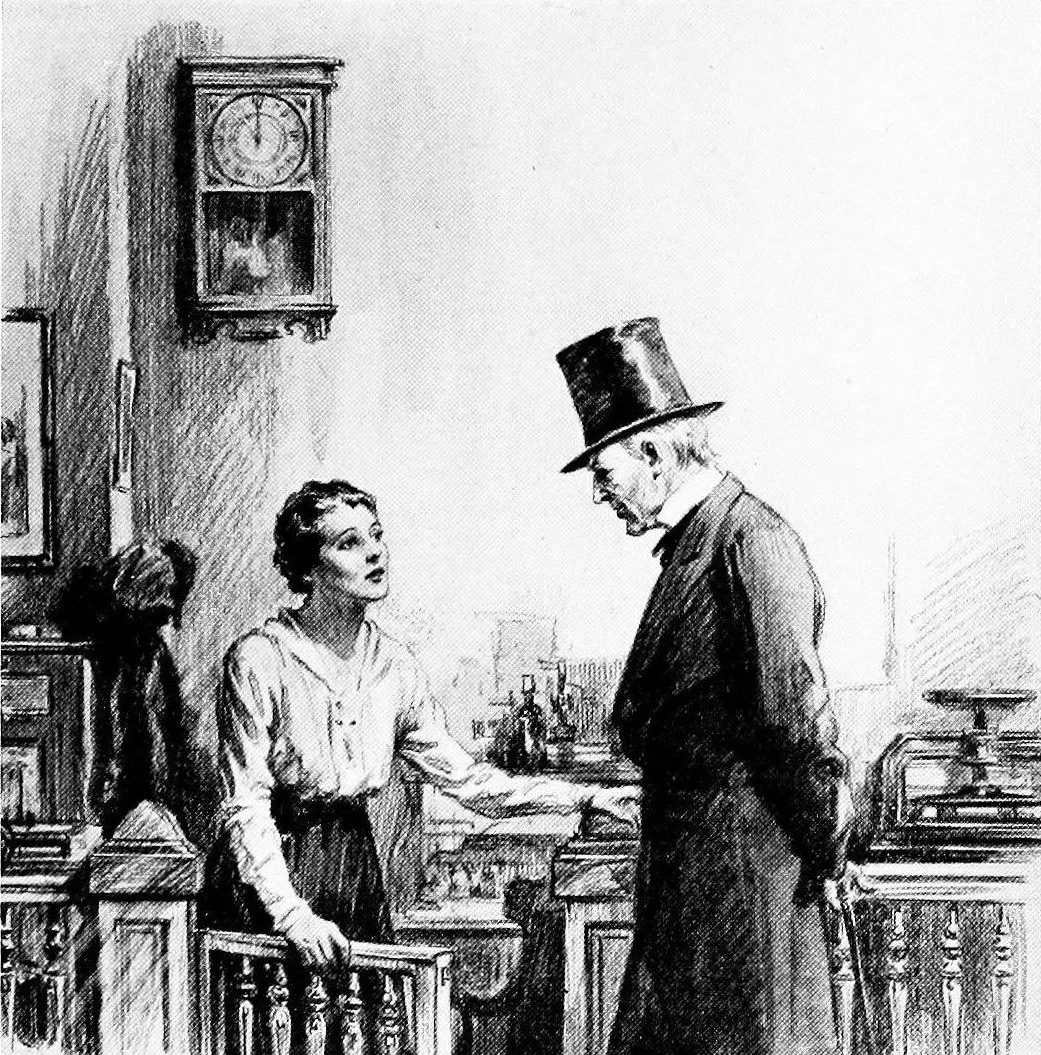
Illustration from Tutt and Mr. Tutt by Arthur Train
The Myth of Ephraim Tutt explores the true and previously untold story behind one of the most elaborate literary hoaxes in American history.
But in 1943 a most unusual event occurred: Ephraim Tutt published his own autobiography. The possibility of Tutt’s existence as an actual human being became a source of confusion, spurring heated debates. One outraged reader sued for fraud, and the legendary lawyer John W. Davis rallied to Train’s defense. Thousands of letters were written to Tutt, begging him to confirm that he was real. Tutt was a fixture in many people's lives as they weathered the Great Depression and World War II; he renewed their faith in humanity and justice. Although Tutt’s autobiography was a hoax, the great majority of readers were glad to have a record of the “life” story of this cherished character.